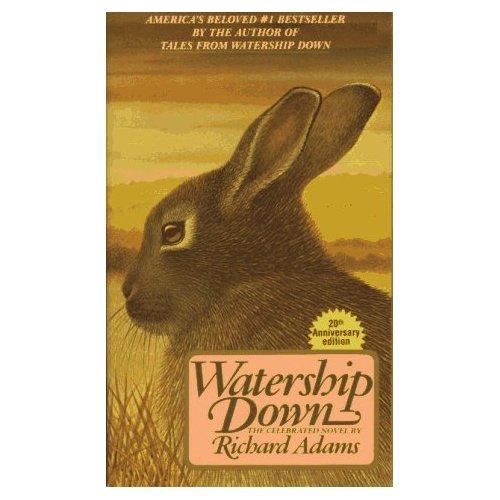
Watership Down
Richard Adams, Richard Adams
Summary (Spoiler-Free)
In 'Watership Down,' a group of rabbits embarks on a perilous journey to find a new home after one of their own has a prophetic vision of impending danger. Led by the courageous rabbit Hazel, the group navigates through a richly imagined world filled with challenges, predators, and the complexities of rabbit society. As they encounter various communities and confront their own fears, the story explores themes of survival, leadership, and the meaning of freedom in a beautifully woven narrative.
Who Should Read This
If you have an appreciation for deeply crafted worlds and enjoy stories that blend adventure with philosophical undertones, 'Watership Down' might resonate with you. The book's unique perspective on nature and society offers a compelling experience for those who love thoughtful fantasy.
Frequently Asked Questions
Is 'Watership Down' part of a series, and how should it be read?+
'Watership Down' is a standalone novel, which means it does not belong to a series and can be read independently. Readers can dive into this rich narrative without needing prior knowledge of any sequels or prequels, making it accessible for newcomers. The story itself is self-contained, offering a complete arc that explores the themes of community, survival, and the struggles for freedom. This makes it an excellent choice for readers looking for a single, immersive experience.
What age group is 'Watership Down' appropriate for, and are there any content notes?+
'Watership Down' is generally suitable for young adults and older readers. The book features some darker themes, including survival, violence among animals, and the harsh realities of nature, which may be intense for younger children. However, it also conveys strong moral lessons and emphasizes themes of friendship, bravery, and determination. Parents and educators might consider guiding younger readers through some of the heavier scenes to provide context and facilitate discussion about the book's messages.
Are there any adaptations of 'Watership Down' available, and in what formats?+
'Watership Down' has been adapted into various formats, including animated films and television series. The most notable adaptations include the classic 1978 animated film and a more recent BBC/Netflix miniseries released in 2018. These adaptations capture the essence of the story while bringing the characters and their struggles to life through visual storytelling. Additionally, the novel is available in multiple formats, including hardcover, paperback, and audiobook, making it accessible to a wide range of readers and listeners.
What distinguishes 'Watership Down' within the fantasy genre?+
'Watership Down' stands out in the fantasy genre due to its anthropomorphic portrayal of rabbits, coupled with a deeply philosophical narrative that examines the complexities of society and the struggles for autonomy. Unlike traditional fantasy that often features wizards or mythical creatures, this novel offers a unique lens on nature and survival through the eyes of ordinary animals. Richard Adams weaves rich lore, history, and mythology into the characters' journey, creating a profound commentary on leadership, community, and the connections between creatures, which resonates with readers who appreciate layered storytelling.
What type of reader is likely to enjoy 'Watership Down'?+
'Watership Down' tends to resonate with readers who enjoy fantasy that transcends purely escapist narratives and ventures into deeper thematic territory. Those who appreciate character-driven stories with rich world-building and philosophical inquiries will likely find themselves captivated by Adams's writing. Additionally, readers who have an interest in nature, animal behavior, or social dynamics may find the book particularly engaging, as it explores these themes in a way that is both entertaining and thought-provoking.
Similar Books You'll Love



Rate this book:
Book at a Glance
- Pages
- —
- First published
- 1972
- Original language
- —