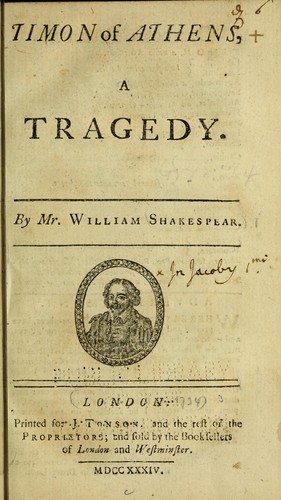
Timon of Athens
William Shakespeare
Summary (Spoiler-Free)
In 'Timon of Athens,' Shakespeare presents a poignant exploration of wealth, friendship, and betrayal through the life of Timon, a once-generous nobleman who becomes disillusioned by the false nature of those around him. As he lavishes gifts upon his friends, Timon's fortunes begin to dwindle, revealing the fickle nature of human relationships. The play traverses themes of misanthropy and the consequences of blind generosity, ultimately leading Timon to a profound, yet dark realization about humanity.
Who Should Read This
If you enjoy intense character studies that probe the depths of human nature and the complexities of social relationships, 'Timon of Athens' will resonate deeply with you. It’s a compelling choice for readers who appreciate timeless themes of betrayal and disillusionment, presented through Shakespeare's masterful verse.
Frequently Asked Questions
Is 'Timon of Athens' part of a series, and how does it fit into Shakespeare's body of work?+
'Timon of Athens' is a standalone play and is not part of any series. It is often regarded as one of Shakespeare's lesser-known works, but it holds significance within his oeuvre for its stark commentary on wealth and human relationships. Written in the early 17th century, it encapsulates themes that resonate with the socio-economic dynamics of both Shakespeare's time and contemporary society. Readers may find it interesting to explore how it contrasts with his more celebrated plays, particularly in its portrayal of a protagonist's moral decline.
What audience would find 'Timon of Athens' most appropriate, and are there any content notes?+
'Timon of Athens' is best suited for mature audiences, given its exploration of themes such as betrayal, misanthropy, and social critique. The play contains elements that may be unsettling, including the protagonist's descent into despair and cynical views of humanity. Readers should be prepared for a narrative that delves into darker aspects of human behavior and societal interactions. Those studying literature or theater, as well as fans of classical drama, will likely appreciate the depth and complexity of the themes presented.
Are there any adaptations of 'Timon of Athens' available in other formats?+
'Timon of Athens' has been adapted into various formats, including film and stage productions, which often bring a fresh interpretation to Shakespeare's text. There are several notable film adaptations that reimagine the play in different contemporary settings, as well as numerous stage performances showcasing innovative directorial choices. Additionally, audiobooks and recorded performances are available, allowing listeners to experience Shakespeare's language and the emotional weight of the play in a different medium. These adaptations can help bridge the gap for modern audiences and enhance appreciation for the original text.
What distinguishes 'Timon of Athens' within the genre of drama?+
'Timon of Athens' stands out in the drama genre due to its incisive critique of social values, particularly regarding wealth and friendship. Unlike many of Shakespeare's other works that often culminate in resolution or redemption, this play presents a stark and cynical view of human nature. Its atmosphere of despair and the bleak portrait of its protagonist's transformation from generosity to misanthropy offer a unique commentary that challenges conventional notions of loyalty and altruism. This distinct focus on the darker sides of humanity makes it a thought-provoking piece within the realm of dramatic literature.
What type of reader tends to enjoy 'Timon of Athens'?+
Readers who are drawn to philosophical explorations of morality and human relationships are likely to find 'Timon of Athens' compelling. Those who appreciate intricate character studies and the thematic depth of Shakespeare's work will enjoy delving into Timon's complex psyche. Additionally, fans of classical literature who relish the beauty of poetic language and the exploration of heavy themes such as alienation and societal critique will find this play particularly engaging. Its distinctive tone and challenging themes cater well to audiences seeking a more profound and introspective reading experience.
Similar Books You'll Love
0.0(0 ratings)
Rate this book:
Book at a Glance
~2 hr 27 min to read
- Pages
- 138
- First published
- 1734
- Original language
- EN