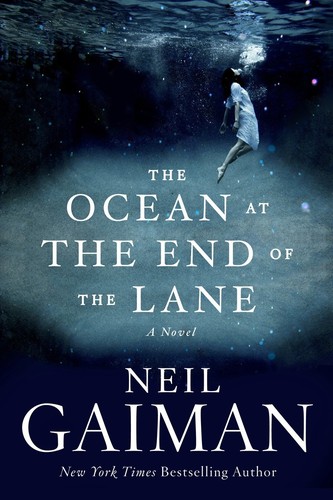
The Ocean at the End of the Lane
Neil Gaiman
Summary (Spoiler-Free)
In 'The Ocean at the End of the Lane', Neil Gaiman weaves a haunting tale that dances on the edge of memory and myth. When a man returns to his hometown for a funeral, he is drawn back to a childhood encounter with a mysterious girl named Lettie Hempstock. As he reflects on their friendship, dark forces from his past resurface, revealing the thin boundaries between reality and the fantastical. This poignant story blends nostalgia with an unsettling atmosphere, exploring themes of childhood, memory, and the power of imagination.
Who Should Read This
If you relish tales that blend childhood innocence with darker, more surreal elements, this book is likely to resonate with you. Gaiman's evocative writing style and richly layered storytelling will appeal to those who appreciate fantasy that delves into the complexities of human experience.
Frequently Asked Questions
Is 'The Ocean at the End of the Lane' part of a series, and does it need to be read in any specific order?+
This book is a standalone novel by Neil Gaiman, which means it does not belong to a series and can be read independently. Readers can dive into this story without prior knowledge of Gaiman's other works. However, those familiar with Gaiman’s style and thematic interests may find additional depth and resonance, as he often explores similar motifs across his body of work.
What age group is this book suitable for, and are there any content notes to be aware of?+
The book is generally suitable for older teens and adults due to its themes of trauma, memory, and the supernatural. There are instances of dark imagery and emotional intensity that may be unsettling for younger readers. Gaiman approaches these subjects with sensitivity, but readers should be prepared for moments that evoke fear and nostalgia, as well as a sense of loss and the complexities of growing up.
Is this book available in different formats, such as audiobook or film adaptations?+
Yes, 'The Ocean at the End of the Lane' is available in multiple formats, including hardcover, paperback, and ebook. The audiobook version is particularly noteworthy, as Neil Gaiman himself narrates it, adding a personal touch that enhances the immersive experience of the story. As of now, there has not been a film adaptation, but the book's rich imagery and compelling narrative would lend themselves well to visual storytelling.
What sets 'The Ocean at the End of the Lane' apart from other fantasy novels?+
What distinguishes this novel is its unique blend of childhood reminiscence with elements of dark fantasy. Gaiman skillfully blurs the lines between reality and the fantastical, using the lens of a child's perspective to explore profound themes of fear, friendship, and the passage of time. The narrative's lyrical prose and emotional depth create a haunting atmosphere that resonates long after the last page is turned, setting it apart from typical fantasy fare.
What type of reader is likely to enjoy 'The Ocean at the End of the Lane'?+
Readers who appreciate literary fantasy blended with psychological depth will find this novel particularly engaging. Those drawn to introspective narratives that explore the intricacies of memory and the interplay between reality and imagination will likely find themselves captivated. Fans of Neil Gaiman's work, as well as those who enjoy stories that evoke a sense of nostalgia combined with a touch of darkness, are well-suited to appreciate this evocative tale.
Similar Books You'll Love

0.0(0 ratings)
Rate this book:
Book at a Glance
~— to read
- Pages
- —
- First published
- 2013
- Original language
- —