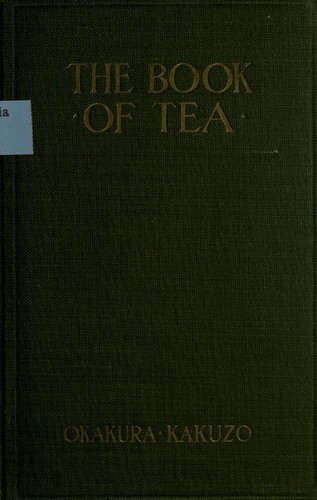
The Book of Tea
Okakura Kakuzō
Summary (Spoiler-Free)
In 'The Book of Tea,' Okakura Kakuzō explores the profound relationship between tea and the philosophy of life, weaving together aesthetics, culture, and spirituality. Through a series of reflections, he delves into the art of tea preparation and consumption, revealing its significance in Japanese culture and beyond. This work is both a celebration of tea and a meditation on beauty and simplicity, inviting readers to appreciate the deeper meanings behind this everyday ritual.
Who Should Read This
If you find joy in contemplative literature that merges art with philosophy, this book is likely to resonate with you. 'The Book of Tea' offers a unique lens through which to view the world, making it a perfect read for those who appreciate thoughtful insights into culture and tradition.
Frequently Asked Questions
Is 'The Book of Tea' part of a series or a standalone work?+
'The Book of Tea' is a standalone work, meaning that it does not belong to a series. Written by Okakura Kakuzō and first published in 1900, it presents a unique philosophical exploration of tea as a cultural practice. Readers can dive into this text without needing prior knowledge of related works or characters, making it an accessible choice for anyone interested in philosophy or cultural studies.
What age group or audience is this book suitable for?+
'The Book of Tea' is generally suitable for adult readers, particularly those with an interest in philosophy, art, and cultural studies. While the language and concepts may be challenging for younger audiences or those unfamiliar with Eastern philosophies, it can be appreciated by anyone willing to engage deeply with its themes. The book's reflective nature makes it a good choice for readers who enjoy pondering life's complexities and the subtleties of culture.
Are there any adaptations of 'The Book of Tea' available?+
'The Book of Tea' has been adapted into various formats, including audiobooks and illustrated editions, which enhance the original text's themes and insights. The audiobook format allows listeners to absorb the philosophical reflections on tea and culture while engaging with the narrative in a different way. While there may not be a film adaptation, the book's influence can be seen in various cultural discussions and artistic interpretations surrounding tea and its significance.
What distinguishes 'The Book of Tea' within its genre?+
'The Book of Tea' stands out in the philosophy genre due to its unique combination of aesthetic appreciation and cultural critique. Unlike traditional philosophical texts that may focus on theoretical frameworks, Kakuzō's work employs the simple act of tea drinking as a lens through which to explore broader themes of beauty, mindfulness, and simplicity. This approach not only makes the content relatable but also invites readers to reflect on their own lives through the lens of this everyday ritual.
What type of reader is likely to enjoy 'The Book of Tea'?+
Readers who are drawn to philosophical reflections and cultural explorations will likely find 'The Book of Tea' particularly enjoyable. Those who appreciate literature that combines practical insights with deeper meanings are well-suited for this work. Additionally, fans of art and aesthetics will resonate with Kakuzō's eloquent prose and thoughtful observations, making it a rewarding read for anyone seeking to find beauty in simplicity.
Similar Books You'll Love

0.0(0 ratings)
Rate this book:
Book at a Glance
~2 hr 50 min to read
- Pages
- 160
- First published
- 1900
- Original language
- EN