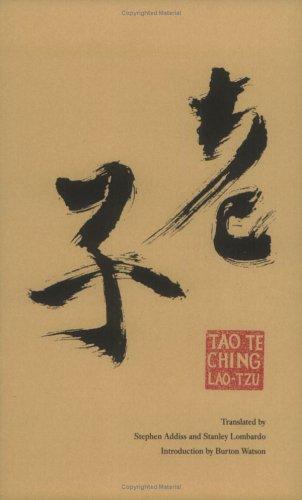
Tao te Ching
老子
Summary (Spoiler-Free)
The 'Tao te Ching' is a foundational text of Taoist philosophy, attributed to the sage Laozi. This ancient work explores the nature of the Tao, or the 'Way,' and offers profound insights into living harmoniously with the universe. Through poetic verses, it encourages readers to embrace simplicity, humility, and the interconnectedness of all things. The text serves as both a spiritual guide and a philosophical treatise, inviting contemplation and deeper understanding of oneself and the world around us.
Who Should Read This
If you find yourself seeking clarity in the chaos of modern life or are drawn to philosophical explorations of existence, the 'Tao te Ching' may resonate deeply with you. Its timeless wisdom and poetic nature make it a compelling read for anyone interested in introspection and spiritual growth.
Frequently Asked Questions
Is 'Tao te Ching' part of a series, and how should I read it?+
The 'Tao te Ching' is a standalone work, meaning it does not belong to a series. Readers can approach it independently, and many find it beneficial to read it multiple times to absorb its teachings fully. Each reading may reveal new insights, as the text is rich with layers of meaning. It is structured in short chapters, making it accessible for both casual reading and deeper study.
What audience is this book appropriate for, and are there any content notes?+
The 'Tao te Ching' is suitable for a wide range of audiences, including those interested in philosophy, spirituality, and Eastern thought. Its teachings are often regarded as universal, appealing to readers from diverse backgrounds. There are no graphic or mature content warnings, but readers should be prepared for philosophical concepts that may challenge conventional thinking. It invites contemplation on themes such as balance, nature, and the essence of existence.
Are there any adaptations or different formats available for 'Tao te Ching'?+
Yes, the 'Tao te Ching' is available in various formats, including print, e-book, and audiobook. Many modern translations and interpretations exist, offering different perspectives on the original text. Audiobooks can be particularly engaging as they often include serene readings that complement the meditative nature of the content. Some adaptations may also include discussions or commentaries to enhance understanding.
What makes 'Tao te Ching' distinct within the philosophy genre?+
The 'Tao te Ching' stands out for its poetic style and its focus on the concept of the Tao as a guiding principle for life. Unlike many philosophical texts that rely on rigorous argumentation, this work invites reflection through metaphor and paradox. Its emphasis on harmony with nature and the importance of humility and simplicity sets it apart from Western philosophical traditions, making it a unique contribution to the genre.
What kind of reader tends to enjoy 'Tao te Ching'?+
Readers who appreciate contemplative literature and are open to exploring non-linear, poetic expressions of wisdom will likely enjoy the 'Tao te Ching.' Those interested in Eastern philosophies, mindfulness practices, and spiritual growth may find its teachings particularly enriching. It appeals to anyone looking for guidance on how to navigate the complexities of life with grace and understanding.
Similar Books You'll Love

0.0(0 ratings)
Rate this book:
Book at a Glance
~1 hr 29 min to read
- Pages
- 84
- First published
- 1842
- Original language
- EN