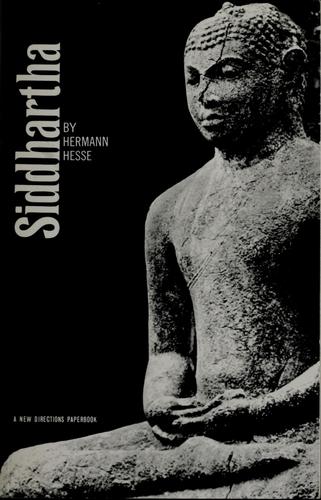
Siddhartha
Hermann Hesse
Summary (Spoiler-Free)
Set in ancient India, 'Siddhartha' follows the spiritual journey of a young man named Siddhartha as he seeks enlightenment and the true meaning of life. Disenchanted with the rigid doctrines of his upbringing, he embarks on a quest that takes him through various experiences, from asceticism to indulgence. Throughout his journey, Siddhartha encounters influential figures and learns valuable lessons, ultimately exploring the complexities of existence and self-discovery.
Who Should Read This
If you are drawn to philosophical narratives that delve deep into the human experience, 'Siddhartha' is a must-read. Its introspective nature and rich symbolism will resonate with anyone seeking a thoughtful exploration of spirituality and personal growth.
Frequently Asked Questions
Is 'Siddhartha' part of a series, and what is the recommended reading order?+
'Siddhartha' is a standalone novel, meaning it does not belong to a series and can be read independently. This allows readers to dive directly into Siddhartha's journey without needing to familiarize themselves with prior installments or characters. Whether you are a newcomer to Hermann Hesse's work or a seasoned reader of his literature, you can fully appreciate this novel on its own terms.
What age group is 'Siddhartha' appropriate for, and does it contain any sensitive content?+
'Siddhartha' is generally suitable for older teens and adults, primarily due to its philosophical themes and contemplative nature. While the narrative does not contain graphic violence or explicit content, it does address profound and sometimes complex topics related to spirituality, identity, and the human condition, which may require a certain level of maturity to fully grasp. Readers should be prepared for a reflective exploration that invites introspection.
Are there any adaptations of 'Siddhartha' available, such as audiobooks or films?+
Yes, 'Siddhartha' has been adapted into various formats, including audiobooks and film productions. The audiobook version often presents the prose in a captivating manner that can enhance the reader's experience, bringing Hesse's poetic language to life through narration. Additionally, the film adaptations visually interpret Siddhartha's journey, offering a different perspective on his quest for enlightenment, though interpretations may vary. Those interested in exploring the book's themes through these mediums will find them available through various platforms.
What distinguishes 'Siddhartha' from other novels in the classics genre?+
'Siddhartha' stands out in the classics genre due to its unique blend of Eastern philosophy and Western literary form. Hesse's narrative is rich in symbolism and introspection, offering a deep exploration of self-discovery and spiritual awakening that is both timeless and universal. Unlike many classic novels that focus on linear storytelling and character development, 'Siddhartha' emphasizes philosophical inquiry and personal transformation, making it a thought-provoking read that resonates across cultures and eras.
What type of reader is likely to enjoy 'Siddhartha' the most?+
'Siddhartha' will likely appeal to readers who appreciate literary works that delve into existential questions and the search for meaning. Those who enjoy philosophical literature, as well as fans of introspective narratives that challenge conventional thinking, will find Hesse's writing particularly satisfying. Readers who are open to exploring themes of spirituality, identity, and the human experience will be drawn to the rich layers of meaning embedded within Siddhartha's journey.
Similar Books You'll Love

0.0(0 ratings)
Rate this book:
Book at a Glance
~1 hr 16 min to read
- Pages
- 71
- First published
- 1922
- Original language
- EN