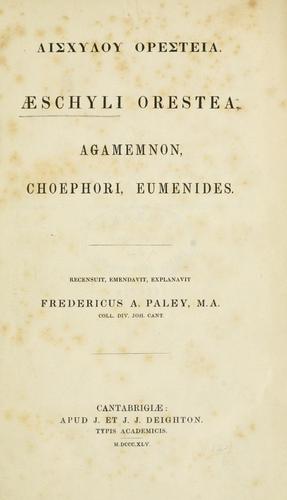
Oresteia
Aeschylus
Summary (Spoiler-Free)
Oresteia, a classic Greek tragedy by Aeschylus, explores themes of justice, vengeance, and the moral complexities of human nature. The trilogy unfolds the story of the House of Atreus, focusing on the aftermath of Agamemnon's return from the Trojan War and the subsequent cycles of retribution within his family. Through powerful dialogue and passionate characters, Aeschylus delves into the transformation from personal vendetta to a more structured legal system, making this work a cornerstone of Western drama.
Who Should Read This
If you appreciate profound explorations of morality and justice, Oresteia will resonate deeply with you. Its rich language and complex characters offer a rewarding experience for readers who enjoy classic literature and dramatic storytelling.
Frequently Asked Questions
Is Oresteia part of a series, and how should I approach reading it?+
Oresteia is a standalone trilogy consisting of three plays: Agamemnon, The Libation Bearers, and The Eumenides. While they can technically be read independently, experiencing them in order is highly recommended to fully grasp the overarching themes and character developments. Each play builds upon the previous one, creating a cohesive narrative arc that enhances the understanding of the characters' motivations and the evolution of justice from personal revenge to societal law.
What audience is Oresteia appropriate for, and are there any content notes?+
Oresteia is generally suitable for mature audiences due to its exploration of dark themes such as murder, revenge, and familial strife. The language and cultural context may be challenging for younger readers, but those with an appreciation for classic literature will find it rewarding. The plays engage with complex moral questions and may provoke thoughtful discussions about ethics, making it ideal for readers who enjoy delving into the intricacies of human behavior and societal norms.
Are there any adaptations or other formats available for Oresteia?+
Yes, Oresteia has been adapted into various formats over the years, including stage performances, films, and even modern interpretations that reimagine the story in contemporary settings. Audiobook versions are also available, which can enhance the experience of the dialogue and emotional weight of the characters' interactions. These adaptations allow new audiences to engage with Aeschylus's work while retaining the essence of the original text.
What differentiates Oresteia within the drama genre?+
Oresteia stands out in the drama genre as one of the earliest and most significant explorations of justice and the moral dilemmas surrounding vengeance. Aeschylus innovatively transitions the narrative from a cycle of blood revenge to the establishment of judicial processes, which was groundbreaking for its time. The intricate character development and rich symbolism also elevate Oresteia, setting a high standard for subsequent tragedies and influencing the evolution of dramatic literature.
What kind of reader tends to enjoy Oresteia?+
Readers who appreciate thought-provoking themes, complex character dynamics, and historical context are likely to enjoy Oresteia. Those drawn to classic literature, particularly Greek tragedies, will find Aeschylus's work compelling due to its rich language and profound explorations of fate and morality. Additionally, individuals interested in the origins of drama and its impact on modern storytelling will find Oresteia to be a foundational text that reveals much about human nature and societal evolution.
Similar Books You'll Love

0.0(0 ratings)
Rate this book:
Book at a Glance
~3 hr 17 min to read
- Pages
- 185
- First published
- 1845
- Original language
- EN