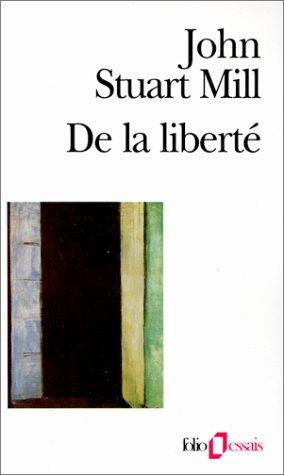
On Liberty
John Stuart Mill
Summary (Spoiler-Free)
In 'On Liberty,' John Stuart Mill explores the nature and limits of individual freedom in society. He argues for the importance of personal autonomy and the necessity of protecting individual liberties from societal and governmental interference. Through a compelling philosophical framework, Mill examines the implications of freedom of expression, the role of individuality, and the balance between personal liberty and societal norms, making a case for a more tolerant and open society.
Who Should Read This
This book is a must-read for anyone who values individual rights and is interested in the philosophical underpinnings of democracy. If you enjoy deep, thought-provoking discussions about freedom and morality, 'On Liberty' will resonate with you.
Frequently Asked Questions
Is 'On Liberty' part of a series, and do I need to read anything else beforehand?+
'On Liberty' is a standalone work by John Stuart Mill, meaning there are no required readings or series to consider before diving into this text. It is written in a way that allows readers to engage with its themes and arguments independently, making it accessible to both newcomers to Mill's philosophy and those familiar with his other works. You can confidently approach this text without prior context from other philosophical writings.
What audience is this book appropriate for, and are there any content notes?+
'On Liberty' is suitable for mature readers, particularly those interested in philosophy, political theory, and ethics. Mill's exploration of freedom, individuality, and societal constraints involves complex ideas that may challenge readers but also enrich their understanding of liberty. While the text does not contain graphic content, readers should be aware that it delves into discussions of oppression and societal norms, which may provoke thoughtful reflection on contemporary issues. It is ideal for anyone seeking to engage critically with the principles of freedom and rights.
Are there any adaptations of 'On Liberty' available in other formats?+
'On Liberty' has been widely published and is available in various formats, including paperback, hardcover, and e-book editions. Many organizations and educational institutions have also produced audiobooks, making the text accessible for those who prefer listening. Additionally, its themes have been referenced and discussed in documentaries and academic lectures, providing further exploration of Mill's ideas. While there may not be a direct film adaptation, the relevance of Mill's arguments continues to inspire modern discussions in philosophy and political discourse.
What makes 'On Liberty' distinct within the philosophy genre?+
'On Liberty' stands out within the philosophy genre due to its rigorous defense of individual freedom against societal norms and government control. Mill's eloquent writing and systematic argumentation provide a unique blend of personal narrative and philosophical inquiry, making complex ideas accessible. His emphasis on the harm principle and the importance of diverse opinions shapes contemporary discussions on civil liberties and social justice. This work remains a foundational text in liberal thought, distinguishing itself through its enduring relevance and insightful critiques of authority.
What type of reader tends to enjoy this book?+
Readers who have a keen interest in philosophy, political theory, and ethics will likely find 'On Liberty' deeply engaging. Those who appreciate critical thinking and enjoy exploring the foundations of personal freedom, as well as the tension between individuality and societal expectations, will resonate with Mill's arguments. This book appeals to anyone looking to challenge their perspectives on liberty and understand its implications in both historical and modern contexts.
Similar Books You'll Love

0.0(0 ratings)
Rate this book:
Book at a Glance
~— to read
- Pages
- —
- First published
- 1859
- Original language
- EN