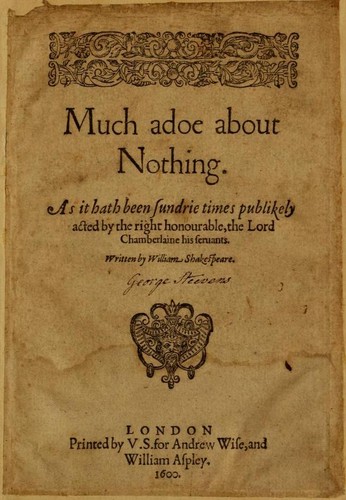
Much Ado About Nothing
William Shakespeare
Summary (Spoiler-Free)
Much Ado About Nothing is a delightful comedy by William Shakespeare that explores themes of love, deception, and the complexities of human relationships. Set in the picturesque town of Messina, the play centers around two pairs of lovers: the witty Beatrice and Benedick, and the more traditional Claudio and Hero. Through a series of misunderstandings and clever schemes, the characters navigate the trials of romance and friendship, ultimately revealing the power of love and the resilience of the human spirit.
Who Should Read This
If you appreciate sharp wit, clever banter, and the intricacies of romantic entanglements, this play is a must-read. Shakespeare's humor and keen observations on social interactions will resonate with anyone who enjoys character-driven narratives and timeless themes.
Frequently Asked Questions
Is Much Ado About Nothing part of a series or a standalone work?+
Much Ado About Nothing is a standalone play, meaning it does not belong to any series. It was first published in 1600 and has remained one of Shakespeare's most beloved comedies. Readers can enjoy this work independently, without needing to familiarize themselves with other texts. This allows new audiences to dive right into the play's clever dialogues and engaging storylines, making it an accessible introduction to Shakespeare's theatrical repertoire.
What age group is this play appropriate for, and are there any content notes?+
Much Ado About Nothing is generally appropriate for readers aged 12 and up. While the play features themes of love and relationships, it does so in a comedic and lighthearted manner, which makes it suitable for younger audiences. However, there are some discussions of honor, jealousy, and misunderstandings that could warrant parental guidance for younger readers. Overall, the play is celebrated for its humor and wit, allowing it to be enjoyed by a wide range of ages.
Are there any adaptations or different formats available for Much Ado About Nothing?+
Yes, Much Ado About Nothing has been adapted into various formats, including films, television productions, and stage performances. Notably, there are several film adaptations that capture the essence of the play while offering modern interpretations. In addition, many audiobooks are available, bringing the dialogue to life through performances by talented narrators. These adaptations allow readers to experience the play in dynamic ways, making it accessible for those who prefer visual or auditory storytelling.
What distinguishes Much Ado About Nothing within the comedy genre?+
Much Ado About Nothing stands out in the comedy genre due to its intricate character dynamics and sharp, witty dialogue. Unlike many traditional romantic comedies that focus solely on the pursuit of love, this play intricately weaves together themes of honor, deception, and social commentary. The interplay between Beatrice and Benedick is particularly notable for its clever wordplay and subversion of gender roles, providing depth and humor that resonates even today. The blend of comedic elements with more serious undertones creates a rich tapestry that elevates it above standard fare.
What type of reader will most likely enjoy this play?+
Readers who enjoy clever language, character-driven plots, and themes of love and misunderstanding will find Much Ado About Nothing particularly appealing. Fans of classical literature and those who appreciate the intricacies of human relationships will be drawn to Shakespeare's sharp observations and comedic flair. Additionally, those who thrive on witty exchanges and complex character dynamics will appreciate the play's engaging narrative style, making it a favorite among both scholars and casual readers alike.
Similar Books You'll Love
0.0(0 ratings)
Rate this book:
Book at a Glance
~1 hr 47 min to read
- Pages
- 101
- First published
- 1600
- Original language
- EN