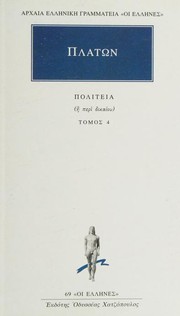
Moralia
Plutarch
Summary (Spoiler-Free)
In 'Moralia', Plutarch delves into a wide array of philosophical themes, exploring ethics, virtue, and the nature of the good life. This collection of essays offers profound insights into moral philosophy, drawing from Plutarch's extensive knowledge of both Greek and Roman thought. Each essay is rich with anecdotes and reflections that encourage readers to contemplate their own values and actions. As a standalone work, 'Moralia' remains a significant contribution to the study of ethics and morality throughout history.
Who Should Read This
If you have a deep interest in philosophical inquiry and enjoy reflecting on moral dilemmas, 'Moralia' is likely to resonate with you. Readers who appreciate classical thought and the exploration of ethical concepts will find this work particularly engaging.
Frequently Asked Questions
What is the reading order for 'Moralia' within Plutarch's works?+
'Moralia' is a standalone collection of essays and does not belong to a series, allowing readers to approach it independently. Since it encompasses a broad range of topics, readers can select essays based on their personal interests without needing prior knowledge of Plutarch's other works. This flexibility makes 'Moralia' accessible to both seasoned readers of philosophy and newcomers alike, as each essay can be appreciated on its own merits.
What age group is this book appropriate for, and are there any content notes?+
'Moralia' is primarily suited for mature readers, as it engages with complex philosophical ideas that may be challenging for younger audiences. The essays address themes like morality, virtue, and human behavior, which may prompt deep reflection. While the language is accessible, some discussions may involve historical references or ethical considerations that require a level of maturity to fully grasp. Readers should be prepared for a thoughtful exploration of philosophical questions rather than a narrative-driven story.
Is 'Moralia' available in any audio or film adaptations?+
'Moralia' has not been widely adapted into audio or film formats, which is common for philosophical texts that focus on essays rather than narrative storytelling. However, various translations and audiobooks have been made available, allowing readers to engage with Plutarch's ideas in a different format. Listening to an audiobook version can provide an immersive experience, especially for those who appreciate hearing philosophical discourse. As such, readers can explore the work in both traditional print and audio formats.
What sets 'Moralia' apart from other philosophical works?+
'Moralia' distinguishes itself through its eclectic mix of essays that cover various aspects of moral philosophy, combining practical insights with historical anecdotes. Plutarch's unique perspective as a bridge between Greek and Roman thought allows for a rich exploration of ethics that feels relevant across ages. The conversational tone and engaging style invite readers into a dialogue with the text, making it distinct from more formal philosophical treatises. This accessibility, combined with profound insights, makes 'Moralia' a compelling read in the field of philosophy.
What kind of reader is likely to enjoy 'Moralia'?+
Readers who appreciate intellectual discourse and philosophical challenges will likely find 'Moralia' to be a rewarding experience. Those with an interest in ethics, virtue, and the complexities of human behavior are especially well-suited to engage with Plutarch's essays. Additionally, individuals who enjoy historical context and reflective writing will resonate with the way Plutarch intertwines moral philosophy with real-life examples. If you enjoy pondering life's big questions and exploring philosophical traditions, this book will likely appeal to you.
Similar Books You'll Love

0.0(0 ratings)
Rate this book:
Book at a Glance
~10 hr 47 min to read
- Pages
- 608
- First published
- 1500
- Original language
- EN