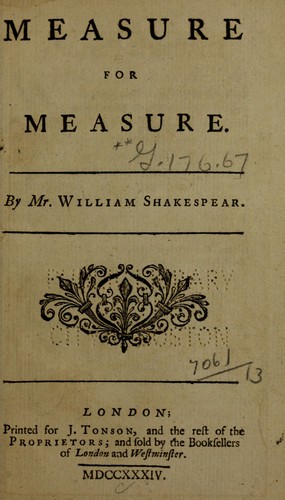
Measure for Measure
William Shakespeare
Summary (Spoiler-Free)
Shakespeare's 'Measure for Measure' is a thought-provoking exploration of morality, justice, and the complexities of human nature. Set in a city plagued by corruption, the Duke of Vienna hands over power to a strict deputy, Angelo, to enforce the laws that have long been neglected. When Isabella, a novice nun, pleads for her condemned brother's life, the ensuing moral dilemmas challenge the very fabric of justice and virtue. This play delves into themes of mercy, hypocrisy, and the often-blurred lines between right and wrong.
Who Should Read This
If you enjoy gripping narratives that question ethical boundaries and societal norms, 'Measure for Measure' is a compelling choice. Its intricate character dynamics and philosophical depth make it particularly appealing for those who appreciate classic literature with a focus on moral quandaries.
Frequently Asked Questions
Is 'Measure for Measure' part of a series, and how does it fit into the reading order of Shakespeare's works?+
'Measure for Measure' is a standalone play by William Shakespeare, first performed in the early 17th century. It is often categorized within the genre of problem plays, which blend elements of tragedy and comedy while addressing serious themes. Readers can enjoy it independently, but it can also serve as a fascinating complement to Shakespeare's other works, particularly those that explore similar themes of justice and morality, such as 'The Merchant of Venice' or 'Hamlet'.
Who is the intended audience for 'Measure for Measure', and are there any content notes to consider?+
'Measure for Measure' is generally appropriate for readers aged 15 and older, given its exploration of mature themes, including sexual morality, power dynamics, and the consequences of corruption. The play includes discussions around seduction and coercion, which may require a more mature understanding. It has been studied in high school and college curricula, making it accessible to students as well, but readers should be prepared for the intricate language and cultural context of the Elizabethan era.
What formats or adaptations are available for 'Measure for Measure'?+
'Measure for Measure' has been adapted into various formats over the years, including film, stage performances, and audiobooks. Many renowned theater companies have produced live interpretations, capturing the play's complex themes and rich characterizations. Additionally, numerous audiobook versions are available, often featuring distinguished narrators who bring Shakespeare's language to life. Each adaptation can offer a unique perspective on the play, making it accessible to a wider audience who may prefer different mediums of storytelling.
What distinguishes 'Measure for Measure' within the drama genre?+
'Measure for Measure' stands out in the drama genre due to its intricate blend of comedy and serious moral questions. Unlike traditional comedies that conclude with clear resolutions, this play leaves audiences grappling with ethical dilemmas and the ambiguity of justice. Shakespeare's use of disguise, mistaken identities, and complex characters allows for a rich, layered exploration of themes such as mercy, power, and human frailty. The play is often regarded as a precursor to modern dramas that tackle similar issues, making it a significant work in the evolution of theatrical storytelling.
What type of reader is likely to enjoy 'Measure for Measure'?+
Readers who appreciate thought-provoking literature that delves into ethical complexities and societal critiques are likely to find 'Measure for Measure' engaging. Its rich character development and multifaceted themes make it appealing to those who enjoy exploring the human condition through the lens of morality and justice. Fans of classic literature, drama enthusiasts, and those who are intrigued by Shakespeare's unique language and storytelling techniques will particularly enjoy this work, as it encourages deep reflection on the nature of governance and personal responsibility.
Similar Books You'll Love
0.0(0 ratings)
Rate this book:
Book at a Glance
~— to read
- Pages
- —
- First published
- 1700
- Original language
- EN