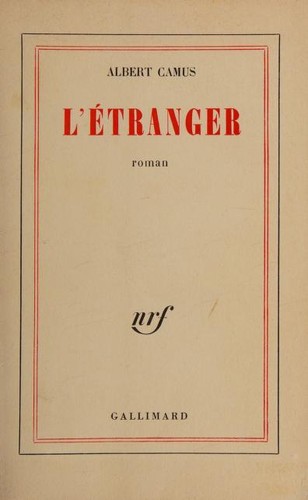
L’étranger
Albert Camus
Summary (Spoiler-Free)
In 'L’étranger', Albert Camus presents the life of Meursault, a man whose indifferent attitude towards life and societal norms leads him into a harrowing confrontation with the judicial system. Set against the backdrop of Algeria, the novel explores themes of absurdism and existentialism as Meursault grapples with existential questions following a tragic event. Through his detached perspective, Camus invites readers to reflect on the nature of existence and the human condition, making this work a profound commentary on the absurdity of life.
Who Should Read This
If you appreciate novels that delve into the complexities of existence and the human psyche, 'L’étranger' might resonate with you. Its thought-provoking themes and minimalist style make it a captivating read for those who enjoy philosophical explorations within literary fiction.
Frequently Asked Questions
Is 'L’étranger' part of a series or a standalone book?+
'L’étranger' is a standalone novel and not part of any series. First published in 1942, it has since become a classic in literature, recognized for its exploration of existential themes. Readers can enjoy this book independently, allowing them to experience Camus's unique perspective without needing to follow a series narrative.
What is the target audience for 'L’étranger'? Are there any content notes I should be aware of?+
'L’étranger' is best suited for adult readers, particularly those interested in literary classics and philosophical themes. The novel addresses complex issues such as death, alienation, and the absurdity of life, which may be challenging for some readers. Additionally, it contains scenes of violence and discussions of societal expectations, which can provoke deep reflection. As such, it is advisable for readers who are comfortable engaging with these themes.
Are there any adaptations of 'L’étranger' available in other formats?+
'L’étranger' has been adapted into various formats, including film and theater. The most notable adaptation is the film directed by Luchino Visconti in 1967, which captures the essence of Camus's narrative while bringing a visual interpretation to the story. Additionally, there are several audiobook versions available, allowing readers to experience the text in an alternative format, which can enhance understanding of its themes through vocal interpretation.
What distinguishes 'L’étranger' within the classics genre?+
'L’étranger' stands out in the classics genre primarily due to its pioneering exploration of existentialism and absurdism. Camus's writing style is characterized by its clarity and simplicity, which creates a stark contrast to the profound themes he tackles. The novel challenges traditional narrative structures and encourages readers to ponder the meaning of life and their own existence, making it a foundational text for those interested in philosophical literature and modernist thought.
What type of reader typically enjoys 'L’étranger'?+
Readers who enjoy 'L’étranger' are often drawn to works that provoke deep contemplation and philosophical inquiry. Individuals who appreciate character-driven narratives that explore the complexities of the human condition and societal norms will find this novel compelling. It's particularly appealing to those who are comfortable with introspective and sometimes challenging material, and who seek literature that reflects on existential themes.
Similar Books You'll Love

0.0(0 ratings)
Rate this book:
Book at a Glance
~3 hr 50 min to read
- Pages
- 216
- First published
- 1942
- Original language
- —