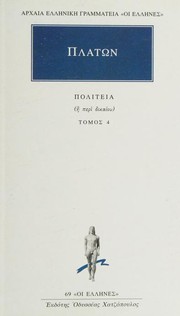
Kritik der reinen Vernunft
Immanuel Kant
Summary (Spoiler-Free)
In 'Kritik der reinen Vernunft,' Immanuel Kant embarks on a profound exploration of the limits and scope of human understanding. He delves into the relationship between experience and knowledge, challenging the foundations of metaphysics and epistemology. This seminal work lays the groundwork for modern philosophy by examining how we perceive reality and the role of reason in shaping our beliefs.
Who Should Read This
If you're intrigued by the complexities of human thought and the nature of reality, this book may resonate deeply with you. It's particularly suited for readers who appreciate dense philosophical inquiry and are eager to grapple with challenging concepts.
Frequently Asked Questions
What is the reading order for Kant's works?+
'Kritik der reinen Vernunft' is a standalone work, but it is often considered essential for understanding Kant's later writings. Readers may benefit from exploring this book before diving into his subsequent critiques, such as the 'Kritik der praktischen Vernunft' and 'Kritik der Urteilskraft'. This foundational text lays the groundwork for his philosophical system, making it a pivotal starting point for those interested in Kantian philosophy.
Who is the intended audience for this book?+
'Kritik der reinen Vernunft' is primarily aimed at readers who have an interest in philosophy, particularly in epistemology and metaphysics. It is best suited for those with a background in philosophical thought, as Kant's writing is complex and often requires careful analysis. While the book can be challenging, it rewards dedicated readers with deep insights into the nature of knowledge and human understanding.
Is there an audiobook or adaptation available?+
Yes, 'Kritik der reinen Vernunft' is available in various formats, including an audiobook version. This can be particularly helpful for those who prefer auditory learning or who wish to engage with Kant's ideas in a different medium. Various translations and interpretations are also available, allowing for a wider audience to access his dense philosophical arguments, though the nuances of the original text may vary with each adaptation.
What makes this book distinct in the philosophy genre?+
'Kritik der reinen Vernunft' stands out in the philosophy genre for its rigorous examination of the limits of human understanding and the relationship between experience and reality. Kant's methodical approach and analytical style set it apart from other philosophical works of its time. By introducing concepts such as the 'categorical imperative' and the distinction between a priori and a posteriori knowledge, Kant reshapes the landscape of Western philosophy and influences countless thinkers in the centuries that follow.
What type of reader tends to enjoy this book?+
Readers who tend to enjoy 'Kritik der reinen Vernunft' are often those with a strong interest in abstract reasoning and theoretical frameworks. This book appeals to individuals who relish intellectual challenges and are willing to engage with complex ideas that require deep contemplation. Philosophy students, scholars, and anyone fascinated by the foundations of knowledge and reality are likely to find this work both stimulating and rewarding.
Similar Books You'll Love

0.0(0 ratings)
Rate this book:
Book at a Glance
~7 hr 36 min to read
- Pages
- 429
- First published
- 1781
- Original language
- EN