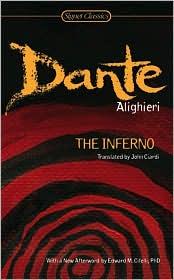
Inferno
Dante Alighieri
Summary (Spoiler-Free)
Inferno is a profound exploration of morality, justice, and the human condition, as experienced through the eyes of its protagonist, Dante. As he journeys through the nine circles of Hell, guided by the poet Virgil, he encounters a myriad of souls suffering the consequences of their earthly actions. Each circle represents different sins, offering a vivid and often harrowing portrayal of the afterlife. This timeless work invites readers to reflect on their own lives and the nature of sin, redemption, and divine justice.
Who Should Read This
If you're drawn to rich allegorical narratives that delve into philosophical themes and moral complexities, Inferno may resonate deeply with you. Its intricate imagery and historical context create a captivating experience for readers who appreciate classic literature and the exploration of humanity's darker aspects.
Frequently Asked Questions
Is Inferno part of a series, and how does it fit into Dante's larger work?+
Inferno is a standalone piece, but it is also the first part of Dante Alighieri's epic poem, The Divine Comedy. This monumental work consists of three parts: Inferno, Purgatorio, and Paradiso, which collectively depict Dante's journey through the afterlife. While Inferno can be read independently, understanding its context within The Divine Comedy enriches the reader's experience, as it sets the foundation for the themes of sin, redemption, and divine love that continue in the subsequent sections.
Who is the intended audience for Inferno, and are there any content notes to consider?+
Inferno is generally suitable for mature readers due to its exploration of complex themes, including sin, punishment, and morality. The graphic depictions of hellish suffering might be unsettling for some, as they reflect the consequences of various sins in vivid detail. Readers with an appreciation for classic literature, philosophy, and theological discussions will likely find this work engaging, but it may be less appealing to those who prefer lighthearted or contemporary fiction.
What formats or adaptations of Inferno are available for readers?+
Inferno is widely available in various formats, including print, ebook, and audiobook. Many translations and editions exist, allowing readers to choose one that resonates with their preferences, whether they favor a more contemporary language or a classic rendition. Additionally, there have been adaptations in film and theater, showcasing the poem's enduring influence on art and culture, though these interpretations can vary significantly from Dante's original text.
What makes Inferno distinct within the classics genre?+
Inferno stands out in the classics genre due to its unique combination of poetry, philosophy, and vivid storytelling. Dante's use of allegory allows for deep interpretations of ethical and spiritual questions, making the work not only a reflection of medieval thought but also a timeless exploration of human nature. The rich imagery and intricate structure of the poem contribute to its status as a foundational text in Western literature, influencing countless writers and thinkers throughout history.
What kind of readers typically enjoy Inferno?+
Readers who appreciate deep philosophical inquiries and intricate symbolism are likely to enjoy Inferno. Those with an interest in religious themes, historical contexts, and moral dilemmas will find the text particularly rewarding. Additionally, fans of poetry and epic narratives that tackle the complexities of the human experience will be drawn to Dante's masterful storytelling and the immersive journey through the various layers of Hell.
Similar Books You'll Love
0.0(0 ratings)
Rate this book:
Book at a Glance
~11 hr 55 min to read
- Pages
- 672
- First published
- 1767
- Original language
- EN