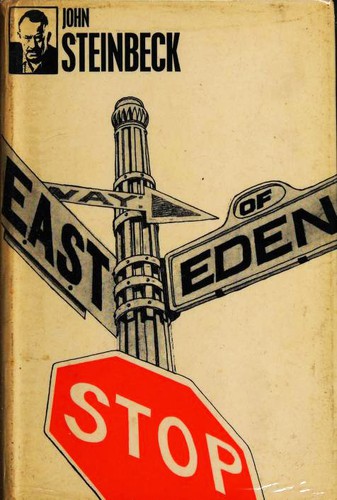
East of Eden
John Steinbeck
Summary (Spoiler-Free)
Set against the backdrop of California's Salinas Valley, 'East of Eden' intricately weaves the stories of two families, the Trasks and the Hamiltons, exploring themes of good and evil, free will, and the quest for identity. Steinbeck delves deep into the human experience, portraying characters who grapple with moral dilemmas and the legacies of their ancestors. This sprawling narrative captures the essence of human struggle and the complexities of family dynamics, making it a timeless classic.
Who Should Read This
If you appreciate rich character development and philosophical explorations of morality, you'll likely find 'East of Eden' profoundly resonant. This novel invites readers to reflect on the nature of good and evil, making it a thought-provoking choice for those who enjoy literary classics.
Frequently Asked Questions
Is 'East of Eden' part of a series, and in what order should I read it?+
'East of Eden' is a standalone novel, meaning it does not belong to a series. Readers can dive into this book without any prerequisite reading. It stands alone as a complete narrative, allowing you to fully appreciate its themes and character arcs without needing to read any prior works by Steinbeck. This accessibility makes it an excellent entry point for those new to his writing.
What age group is 'East of Eden' appropriate for, and are there any content notes I should be aware of?+
'East of Eden' is generally suitable for mature teens and adults due to its complex themes, including family conflict, moral ambiguity, and issues surrounding identity. The book addresses profound human experiences, including betrayal and redemption, which may resonate with older readerships. Some scenes contain adult themes and language that might not be appropriate for younger readers, so discretion is advised for those considering it for younger audiences.
Are there audiobook or film adaptations of 'East of Eden' available?+
'East of Eden' has been adapted into various formats, including a well-known film released in 1955, which brought Steinbeck's characters to the silver screen. Additionally, there are audiobook versions available that offer an engaging way to experience the novel's rich narrative and language. These adaptations provide different avenues for appreciating the story, whether you prefer visual storytelling or the immersive experience of listening.
What distinguishes 'East of Eden' from other works in the classic literature genre?+
'East of Eden' stands out in classic literature for its deep philosophical exploration of the duality of human nature. Steinbeck’s intricate character studies and the allegorical elements he weaves into the narrative enhance its depth, making it not just a story about individuals but a commentary on the broader human experience. This novel invites readers to engage with profound questions about morality and choice, setting it apart from many contemporaries that may focus more narrowly on plot.
What type of reader is likely to enjoy 'East of Eden' the most?+
Readers who enjoy intricate character development, moral complexity, and philosophical themes are most likely to appreciate 'East of Eden.' Those drawn to narratives that explore the human condition and familial relationships will find much to contemplate within its pages. If you savor literary works that provoke thought and invite deep reflection on life’s choices and consequences, this novel will be a rewarding experience for you.
Similar Books You'll Love

0.0(0 ratings)
Rate this book:
Book at a Glance
~10 hr 15 min to read
- Pages
- 578
- First published
- 1952
- Original language
- EN