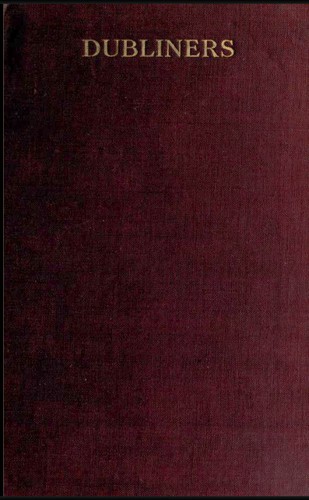
Dubliners
James Joyce
Summary (Spoiler-Free)
In 'Dubliners,' James Joyce presents a vivid tapestry of early 20th-century Dublin life through a collection of interconnected short stories. Each narrative explores the lives of various characters, detailing their struggles, epiphanies, and the often stark realities of urban existence. The stories capture a broad spectrum of human experience, from childhood innocence to the complexities of adulthood, all while offering a profound commentary on the social and political fabric of Ireland. Joyce's masterful prose invites readers to reflect on the moments of clarity that define our lives.
Who Should Read This
If you appreciate intricate storytelling that delves into the human condition, 'Dubliners' is a compelling choice. Its rich character studies and evocative settings resonate deeply, making it a rewarding read for those who enjoy exploring the nuances of everyday life.
Frequently Asked Questions
What is the reading order for 'Dubliners' and is it part of a series?+
'Dubliners' is a standalone collection of short stories by James Joyce, meaning that it does not belong to any series. Readers can approach it independently of Joyce's other famous works, such as 'A Portrait of the Artist as a Young Man' or 'Ulysses.' Each story in 'Dubliners' can be read in any order, but many readers find it enriching to experience them sequentially to appreciate the evolving themes and character dynamics. The book serves as an excellent introduction to Joyce's literary style and thematic concerns if one is considering exploring more of his oeuvre later.
Is 'Dubliners' appropriate for all audiences, and are there any content notes to consider?+
'Dubliners' is generally suitable for mature teens and adult readers, given its exploration of complex themes such as poverty, identity, and societal constraints. While it does not contain explicit content, some stories highlight the struggles of alcoholism, familial conflict, and social disillusionment, which may resonate deeply with certain readers. The language and cultural references reflect the time period in which it was written, which can enrich the reading experience for those interested in historical context. However, readers should be prepared for the intricate prose style characteristic of Joyce, which can be challenging but rewarding.
Are there any adaptations of 'Dubliners' available in other formats, like audiobooks or films?+
'Dubliners' has been adapted into various formats over the years, including stage plays and film interpretations, though these adaptations often take creative liberties with the source material. For those who prefer auditory experiences, several audiobooks of 'Dubliners' are available, narrated by different voices that bring the stories to life in unique ways. These adaptations can provide a fresh perspective on Joyce's work, allowing listeners to appreciate the rhythm and cadence of his language. However, readers should note that the original text remains a distinct experience that captures the full depth of Joyce's literary artistry.
What makes 'Dubliners' distinct within the literary canon of its genre?+
'Dubliners' stands out in the genre of literary classics for its pioneering approach to the short story format and its emphasis on epiphany. Joyce's use of stream-of-consciousness technique and rich imagery creates a vivid portrait of Dublin that is both specific and universal. The interconnectedness of the stories allows readers to see recurring themes of paralysis and self-discovery, making it a profound exploration of the human experience. Furthermore, Joyce's ability to blend realism with lyrical prose makes 'Dubliners' a unique and influential work that has inspired countless writers and continues to resonate in modern literature.
What type of reader is likely to enjoy 'Dubliners'?+
Readers who are drawn to literary fiction that emphasizes character development and thematic depth are likely to enjoy 'Dubliners.' Those who appreciate intricate narratives that reflect on the human condition and social issues will find this collection particularly engaging. Fans of modernist literature, as well as anyone interested in early 20th-century Irish culture, will benefit from Joyce's nuanced portrayals of everyday life. The book is also suited for readers who enjoy dissecting language and style, as Joyce's craftsmanship offers layers of meaning to uncover with each reading.
Similar Books You'll Love
0.0(0 ratings)
Rate this book:
Book at a Glance
~3 hr 58 min to read
- Pages
- 224
- First published
- 1914
- Original language
- EN