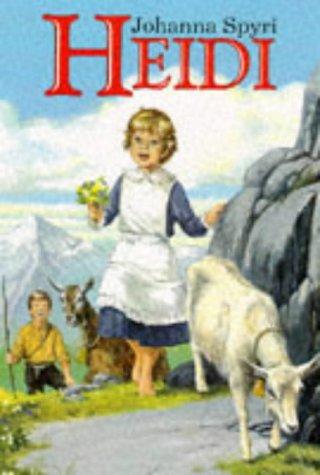
Don Quijote de la Mancha
Miguel de Cervantes Saavedra
Summary (Spoiler-Free)
In 'Don Quijote de la Mancha', Miguel de Cervantes introduces readers to the eccentric adventures of a man who, inspired by chivalric romances, decides to become a knight-errant. Armed with an outdated set of armor and an unwavering sense of honor, he sets out on a journey across the plains of Spain, accompanied by his pragmatic squire, Sancho Panza. The novel humorously explores themes of idealism versus reality, as Don Quijote confronts windmills he believes to be giants and engages with a colorful cast of characters who challenge his notions of heroism and virtue.
Who Should Read This
If you enjoy rich character studies laced with wit and a touch of absurdity, this classic may resonate with you. Readers who appreciate explorations of the human condition and the interplay between dreams and reality will find much to reflect upon in its pages.
Frequently Asked Questions
Is 'Don Quijote de la Mancha' part of a series, and does it need to be read in order?+
'Don Quijote de la Mancha' is a standalone novel, meaning it does not belong to a series and does not require any prior reading. Readers can dive into this classic without needing to familiarize themselves with other works. Its self-contained narrative allows for a complete experience from beginning to end, making it accessible for first-time readers of Cervantes.
What age group is 'Don Quijote de la Mancha' appropriate for, and are there any content considerations?+
Generally, 'Don Quijote de la Mancha' is suitable for older teens and adults, as it explores complex themes such as identity, madness, and the nature of reality. While the humor often lightens the narrative, there are moments that delve into more profound philosophical questions and social critiques that may resonate more with mature audiences. Readers should be prepared for a satirical tone that critiques societal norms of its time.
Are there any adaptations of 'Don Quijote de la Mancha' in other formats?+
'Don Quijote de la Mancha' has been adapted into numerous formats, including stage plays, films, and even animated features. These adaptations vary in how they interpret Cervantes' work, with some focusing on its comedic elements and others highlighting its tragic undertones. Audiobook versions are also available, allowing listeners to experience the rich language and humor of the text in a different format, bringing the characters and their adventures to life through narration.
What distinguishes 'Don Quijote de la Mancha' within the classic literature genre?+
'Don Quijote de la Mancha' is often hailed as one of the first modern novels, setting it apart in the genre of classic literature. Its innovative narrative structure, blending realism with fantasy, allows for a deep exploration of character psychology and social commentary. The work's unique blend of humor and tragedy, along with its profound philosophical underpinnings, marks it as a pioneering text that continues to influence literature and inspire writers across generations.
What type of reader is likely to enjoy 'Don Quijote de la Mancha'?+
Readers who appreciate a blend of humor and philosophical musings will likely find 'Don Quijote de la Mancha' appealing. Those drawn to character-driven stories that challenge societal norms and explore the complexities of human nature will resonate with Cervantes' timeless themes. Additionally, fans of classic literature who enjoy rich, layered narratives will discover much to savor in this enduring work.
Similar Books You'll Love
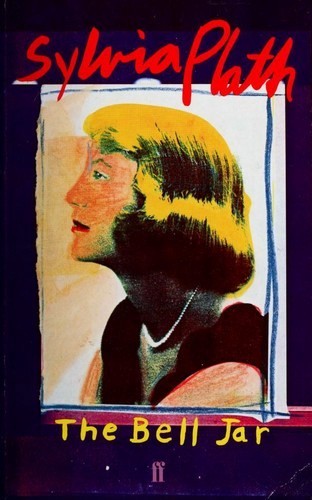
0.0(0 ratings)
Rate this book:
Book at a Glance
~8 hr 58 min to read
- Pages
- 506
- First published
- 1600
- Original language
- —