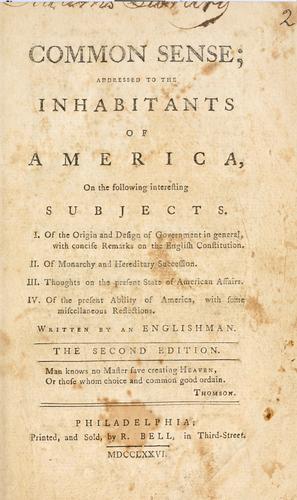
Common Sense
Thomas Paine, Thomas Paine
Summary (Spoiler-Free)
In 'Common Sense,' Thomas Paine presents a compelling argument for American independence from British rule. Written in a clear and persuasive style, the pamphlet addresses the injustices faced by the colonies and advocates for the establishment of a democratic government. Paine's passionate rhetoric and philosophical insights resonate deeply, encouraging readers to consider the principles of freedom and self-governance. This seminal work played a pivotal role in shaping public opinion during a critical time in history.
Who Should Read This
If you are drawn to powerful rhetoric and philosophical discussions about governance and human rights, this book is likely to resonate with you. Readers who appreciate historical texts that have shaped societal change will find much to reflect upon in Paine's arguments.
Frequently Asked Questions
Is 'Common Sense' part of a series, and how does it fit into the broader context of political philosophy?+
'Common Sense' is a standalone work and not part of a series. However, it holds a crucial position within the broader context of political philosophy, particularly in the realm of Enlightenment thought. Published in 1776, it addresses the urgent need for independence during the American Revolution, making it a key text that influenced political discourse of the time. Its ideas about democracy, individual rights, and the critique of monarchy continue to resonate in contemporary discussions about governance.
What audience is 'Common Sense' appropriate for, and are there any content warnings?+
'Common Sense' is primarily aimed at readers interested in history, politics, and philosophy. Given its historical context, the text addresses themes of colonial oppression, war, and governance, which may be challenging for some readers. However, it does not contain graphic content or explicit themes. Students, educators, and anyone interested in the foundations of American democracy will find this work particularly enlightening. It is accessible for a general audience, though a basic understanding of the historical context will enhance the reading experience.
Are there any adaptations of 'Common Sense' available, such as audiobooks or films?+
'Common Sense' has been adapted into various formats over the years, including audiobooks that allow listeners to engage with Paine's powerful prose in an accessible way. While there are no major film adaptations directly based on this pamphlet, its themes and arguments have been referenced and explored in numerous documentaries and historical analyses. The availability of the text in different formats, including print and digital versions, ensures that a wide audience can access and appreciate Paine's groundbreaking ideas.
What makes 'Common Sense' distinct within the philosophy genre?+
'Common Sense' stands out in the philosophy genre due to its direct and impassioned approach to political discourse. Unlike many philosophical works that can be dense and abstract, Paine's writing is accessible and engaging, aimed at a broad audience rather than just intellectual elites. The pamphlet's focus on practical governance, individual rights, and the critique of monarchy was revolutionary for its time, making it a foundational text in both philosophy and American political thought. Its persuasive style and clarity have made it a vital part of the philosophical canon concerning freedom and democracy.
What type of reader is likely to enjoy 'Common Sense' the most?+
Readers who have an interest in history, particularly the American Revolution, or who enjoy works that advocate for social and political change will likely find 'Common Sense' compelling. Those who appreciate clear, persuasive writing that challenges the status quo and encourages critical thinking about governance will also be drawn to Paine's arguments. Additionally, individuals interested in philosophical discussions about rights and democracy will find this work to be both thought-provoking and inspiring, making it a must-read for anyone passionate about civic engagement.
Similar Books You'll Love

0.0(0 ratings)
Rate this book:
Book at a Glance
~1 hr 4 min to read
- Pages
- 60
- First published
- 1776
- Original language
- EN