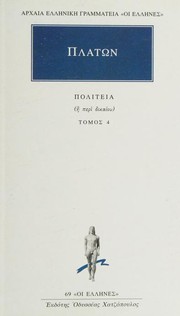
Μένων
Plato
Summary (Spoiler-Free)
In 'Μένων,' Plato explores the nature of virtue and knowledge through a dialogue between Socrates and a young man named Meno. The text delves into profound philosophical questions about whether virtue can be taught or if it is an innate quality. Through Socratic questioning, the characters engage in a thoughtful examination of concepts such as recollection and the essence of learning, ultimately leading to an exploration of the relationship between knowledge and ethical behavior.
Who Should Read This
If you find joy in unraveling complex philosophical ideas and appreciate the depth of Socratic dialogue, this book will resonate with you. It's an engaging read for anyone curious about the foundations of ethics and the essence of knowledge.
Frequently Asked Questions
Is 'Μένων' part of a series or can it be read as a standalone?+
'Μένων' is a standalone work by Plato and does not belong to any series. Readers can dive into this text independently, as it presents a self-contained philosophical inquiry into virtue, knowledge, and learning. This makes it accessible for those who may be new to Plato's works or philosophical discourse in general.
What age group or audience is this book appropriate for?+
'Μένων' is best suited for readers who are young adults and older, especially those with an interest in philosophy, ethics, and critical thinking. Its discussions may be challenging for younger audiences, as they require a certain level of maturity and comprehension of abstract concepts. Readers interested in deepening their understanding of moral philosophy and Socratic methods will find this work particularly engaging.
Are there any adaptations of 'Μένων' available?+
Currently, 'Μένων' is primarily available in print and digital formats, with various translations that allow readers to engage with the text in their preferred language. While adaptations in film or theater are not common for this philosophical dialogue, there may be educational resources or lectures that explore its themes. Audiobook versions may also exist, providing an alternative way to experience Plato's ideas.
What sets 'Μένων' apart from other philosophical texts?+
'Μένων' stands out due to its engaging dialogue format, which makes complex philosophical ideas more accessible and relatable. The interplay between Socrates and Meno allows for a dynamic exploration of virtue, presenting philosophical inquiry as an active process rather than a passive absorption of knowledge. This interactive style invites readers to reflect on their own understanding of morality and the nature of learning.
What type of reader is likely to enjoy 'Μένων'?+
Readers who are drawn to philosophical inquiry, especially those interested in ethics and the Socratic method, will likely find 'Μένων' appealing. It attracts individuals who enjoy dissecting arguments, engaging in intellectual debate, and contemplating the deeper meanings of virtue and knowledge. If you appreciate texts that challenge your thinking and provoke introspection, this work will resonate with your interests.
Similar Books You'll Love

0.0(0 ratings)
Rate this book:
Book at a Glance
~6 hr 57 min to read
- Pages
- 392
- First published
- 1869
- Original language
- —