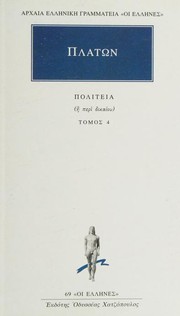
Πρωταγόρας
Plato
Summary (Spoiler-Free)
In 'Πρωταγόρας', Plato explores the intricate dynamics of virtue, knowledge, and human nature through a dialogue between Socrates and the Sophist Protagoras. The work delves into the nature of wisdom and whether it can be taught, raising profound questions about ethics and the role of educators. Through engaging philosophical discourse, Plato presents contrasting views on the essence of virtue and its application in daily life, all while highlighting the interplay between rhetoric and truth.
Who Should Read This
If you enjoy delving into deep philosophical discussions and grappling with timeless questions about morality and knowledge, this book is likely to resonate with you. It's an essential read for those who appreciate the foundational texts that shape Western thought.
Frequently Asked Questions
Is 'Πρωταγόρας' part of a series, and how does it fit into Plato's body of work?+
'Πρωταγόρας' is a standalone work by Plato, distinct from his other dialogues yet interconnected with his broader philosophical inquiries. It complements other dialogues where Socrates engages with various figures, enhancing the understanding of virtue and knowledge. Readers might find it enriching to read alongside other dialogues to see how Plato's thoughts evolve over time, but it can certainly be appreciated independently.
What age group is this book appropriate for, and are there any content notes to consider?+
'Πρωταγόρας' is generally suitable for mature readers, particularly those in high school and above, as it addresses complex philosophical themes. Readers should be aware that the dialogue discusses morality, ethics, and the nature of knowledge, which may provoke thoughtful reflection and debate. While there are no explicit content warnings, some discussions may challenge conventional views, making it more appropriate for those ready to engage with intricate ideas.
Are there any adaptations of 'Πρωταγόρας', such as audiobooks or films?+
While 'Πρωταγόρας' itself has not been directly adapted into films, various interpretations and discussions of its themes can be found in academic lectures and documentaries about Plato's philosophy. Audiobook versions are available, offering an accessible way to engage with the dialogue's rich philosophical content. These formats can help listeners appreciate the nuances of the text and its historical context.
What distinguishes 'Πρωταγόρας' within the philosophical genre?+
'Πρωταγόρας' stands out due to its direct engagement with the Sophistic movement, marking a crucial intersection between traditional philosophical thought and the emerging rhetorical techniques of the time. Plato's use of dialogue not only serves to elucidate complex ideas but also invites readers into an interactive exploration of virtue and wisdom. This work is pivotal in understanding the foundational debates that shaped ethical philosophy, making it a significant contribution to the genre.
What type of reader is likely to enjoy 'Πρωταγόρας'?+
Readers who have a passion for philosophy, particularly those interested in ethics, epistemology, and the Socratic method, will likely find 'Πρωταγόρας' engaging. Individuals who enjoy dissecting arguments and exploring the complexities of human thought will appreciate the depth of discussion found in this work. It's particularly suited for those with a curiosity about the foundations of Western philosophy and the enduring questions that continue to challenge us today.
Similar Books You'll Love

0.0(0 ratings)
Rate this book:
Book at a Glance
~4 hr 51 min to read
- Pages
- 274
- First published
- 1828
- Original language
- EN