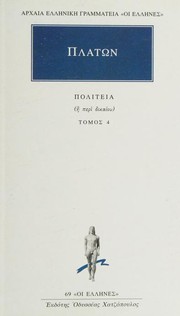
Θεαίτητος
Πλάτων
Summary (Spoiler-Free)
In 'Θεαίτητος', Plato explores the nature of knowledge through a dialogue primarily between Socrates and the young philosopher Theaetetus. The text delves into profound philosophical questions about perception, belief, and the essence of what it means to truly know something. Through engaging discourse, the characters examine various theories of knowledge, challenging assumptions and inviting readers to reflect on their own understanding of reality. This work serves as a foundational piece in the study of epistemology, showcasing Plato's depth and intellectual rigor.
Who Should Read This
If you find yourself captivated by deep philosophical discussions and enjoy unraveling complex ideas about knowledge and existence, this book is likely to resonate with you. It's a thought-provoking read that invites introspection and critical thinking, perfect for those who appreciate classic philosophical literature.
Frequently Asked Questions
Is 'Θεαίτητος' part of a series, or can it be read as a standalone work?+
'Θεαίτητος' is a standalone dialogue by Plato, meaning it does not belong to a series. Readers can engage with this text independently without needing prior knowledge of other Platonic dialogues. However, familiarity with the context of Socratic philosophy or previous works by Plato may enhance the reading experience, as it allows for a deeper appreciation of the themes and references present in this dialogue.
What age group or audience is 'Θεαίτητος' appropriate for?+
This work is generally suitable for readers who have a strong interest in philosophy, particularly those at the collegiate level or above. The complexity of the ideas and the dialogue format may be challenging for younger readers or those new to philosophical concepts. However, mature high school students with an interest in philosophy may also find it engaging. Readers should be prepared for dense material that requires reflection and critical analysis, making it most rewarding for those willing to engage deeply with the text.
Are there any adaptations or audio formats available for 'Θεαίτητος'?+
Yes, 'Θεαίτητος' is available in various formats, including print, digital, and audiobook versions. Audiobook formats can be particularly beneficial for those who prefer to absorb philosophical texts through listening or want to experience the dialogue's flow in an auditory manner. Numerous translations and interpretations exist, which may offer different perspectives on the original text, making it accessible to a wider audience. Additionally, some adaptations may include commentaries or discussions that further elucidate the themes presented in the work.
What distinguishes 'Θεαίτητος' within the philosophical genre?+
'Θεαίτητος' stands out in the philosophical genre through its rigorous examination of epistemology, the study of knowledge. Unlike other dialogues that may focus on ethics or politics, this work centers on the foundational questions of how we know what we know. Plato's use of Socratic questioning encourages readers to engage critically with the text, unraveling dense ideas about perception and belief. The dialogue format allows for a dynamic interplay of thoughts, making it distinctive in how it presents philosophical inquiry as a collaborative exploration rather than a solitary endeavor.
What type of reader is likely to enjoy 'Θεαίτητος'?+
Readers who enjoy engaging with complex philosophical arguments and exploring the intricacies of knowledge will likely find 'Θεαίτητος' appealing. Those who appreciate dialogues that challenge conventional thinking and provoke deep reflection on human understanding will resonate with the book's themes. Additionally, individuals with an interest in classical literature, especially works that require thoughtful analysis and discussion, will appreciate the richness and depth of Plato's writing in this dialogue.
Similar Books You'll Love

0.0(0 ratings)
Rate this book:
Book at a Glance
~4 hr 32 min to read
- Pages
- 256
- First published
- 1861
- Original language
- —