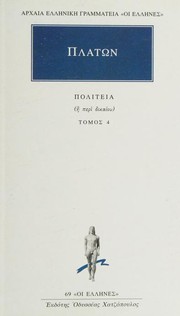
Νόμοι
Plato
Summary (Spoiler-Free)
In 'Νόμοι', Plato explores the intricate relationship between law, morality, and governance in a philosophical dialogue. Through the voices of various characters, he discusses the ideal state and the principles that should guide its creation and maintenance. The text delves into concepts of justice, citizenship, and the role of education in shaping a virtuous society, making it a foundational work in political philosophy. With rich dialogues and thought-provoking insights, Plato challenges readers to consider the nature of justice and the best way to organize human life.
Who Should Read This
If you have a keen interest in philosophy and enjoy deep explorations of ethics and governance, 'Νόμοι' may resonate with you. This work is particularly appealing to those who appreciate dialogues that prompt critical thinking about societal structures and moral principles.
Frequently Asked Questions
Is 'Νόμοι' part of a series, and how does it fit within Plato's works?+
'Νόμοι' is a standalone work by Plato and does not belong to a series. However, it can be considered part of his broader exploration of philosophical themes present in his other dialogues, such as 'The Republic'. While 'The Republic' focuses on the ideal state, 'Νόμοι' provides a more practical approach to governance and law, making it a complementary read to those familiar with Plato's earlier works.
What is the target audience for 'Νόμοι', and are there any content considerations?+
'Νόμοι' is primarily aimed at readers interested in philosophy, political theory, and ethics. It is suitable for adult audiences, particularly those in academia or studying philosophy. Readers should be prepared for complex ideas and dense dialogues that may require careful contemplation. While there are no explicit content warnings, discussions on morality, justice, and societal norms could be challenging for some, as they often reflect the historical context of ancient Greece.
Are there any adaptations of 'Νόμοι', such as audiobooks or films?+
Currently, 'Νόμοι' has not been adapted into a film, but there are several audiobook versions available, allowing readers to engage with Plato's ideas in an auditory format. These adaptations can be beneficial for those who prefer listening to philosophical texts, as they often include engaging narrations that can bring the dialogues to life. Additionally, various scholarly commentaries and lectures on the text can enhance understanding and appreciation of its themes.
What makes 'Νόμοι' distinct within philosophical literature?+
'Νόμοι' is distinct from other philosophical texts due to its unique blend of practical governance and ethical discourse. Unlike some of Plato's earlier works, which often explore idealism, 'Νόμοι' addresses the realities of law-making and the complexities of human behavior. This dialogue emphasizes the importance of education and moral character in establishing a just society, providing readers with a comprehensive framework for understanding the role of law in human affairs.
What type of reader is likely to enjoy 'Νόμοι'?+
Readers who appreciate deep philosophical discussions and are interested in the intersection of law, ethics, and governance will likely find 'Νόμοι' enjoyable. It appeals to those who are willing to engage with challenging concepts and appreciate the Socratic method of dialogue. Additionally, individuals studying political philosophy, history, or ethics may find the text particularly relevant as it offers timeless insights into the nature of justice and authority.
Similar Books You'll Love

0.0(0 ratings)
Rate this book:
Book at a Glance
~8 hr 48 min to read
- Pages
- 496
- First published
- 1562
- Original language
- —