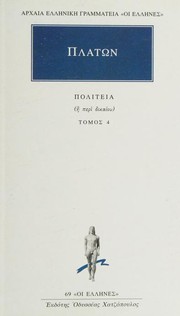
Εὐθύφρων / Κρίτων / Φαίδων / Ἀπολογία Σωκράτους
Plato
Summary (Spoiler-Free)
In this collection of dialogues, Plato explores profound philosophical themes through the conversations of Socrates and his interlocutors. Each dialogue presents a unique examination of ethics, justice, and the nature of knowledge, inviting readers to engage with fundamental questions of existence and morality. The works challenge readers to reflect on their beliefs and the implications of their actions, all while highlighting Socrates' method of inquiry and his commitment to truth.
Who Should Read This
This book is perfect for those who enjoy deep philosophical discussions and the exploration of ethical dilemmas. Readers who appreciate classic literature and the Socratic method will find themselves particularly engaged with these timeless dialogues.
Frequently Asked Questions
Is this book part of a series or a standalone work?+
This collection is a standalone work, comprising four key dialogues by the philosopher Plato: 'Euthyphro,' 'Crito,' 'Phaedo,' and 'Apology.' Each dialogue can be read independently, as they address different themes and contexts. However, reading them together offers a richer understanding of Socratic philosophy and the interconnectedness of the ideas presented. This compilation provides a comprehensive look at Plato's exploration of ethical and existential questions, making it an essential read for anyone interested in philosophy.
Who is the intended audience for this book, and are there any content notes I should be aware of?+
The book is primarily aimed at readers with an interest in philosophy, ethics, and classic literature. It engages with complex themes that may require careful contemplation, making it more suitable for adult readers or advanced students. There are discussions of moral dilemmas, justice, and the nature of the soul, which may prompt deeper reflection on personal beliefs. While the text is intellectually stimulating, some readers may find the philosophical arguments dense or challenging. It is recommended for those willing to engage with thought-provoking content.
Is there an audiobook version or any adaptations of this work available?+
Yes, there are audiobook versions available for this collection of dialogues, allowing listeners to engage with Plato's philosophical discussions through audio format. Various publishers have produced recordings that may feature different narrators, offering a range of styles for the audience. Additionally, while there are no direct film adaptations of these specific dialogues, many films and documentaries explore themes inspired by Plato's philosophy, providing visual contexts that complement his ideas. The accessibility of audiobooks and related media makes it easier for modern audiences to connect with these classic texts.
What makes this book distinct within the genre of philosophy?+
This collection stands out in the philosophy genre due to its foundational role in Western thought and its innovative use of dialogue as a literary form. Plato's Socratic dialogues are not merely theoretical discussions; they embody a method of inquiry that encourages readers to question their assumptions and engage actively with philosophical problems. The accessibility of the dialogues, combined with the incisive nature of Socratic questioning, sets these works apart. They serve as both a historical document and a timeless exploration of human thought, allowing readers to connect with enduring philosophical issues.
What type of reader tends to enjoy this book the most?+
Readers who have an affinity for critical thinking and philosophical inquiry are most likely to appreciate this collection. Those who enjoy exploring ethical dilemmas, the nature of justice, and the foundations of knowledge will find the dialogues particularly engaging. Additionally, students of philosophy, history, or literature often gravitate towards Plato's works due to their profound impact on Western intellectual traditions. Readers who appreciate deep discussions and are willing to ponder complex ideas will find a rewarding experience in these dialogues.
Similar Books You'll Love

0.0(0 ratings)
Rate this book:
Book at a Glance
~4 hr 39 min to read
- Pages
- 262
- First published
- 1871
- Original language
- EN