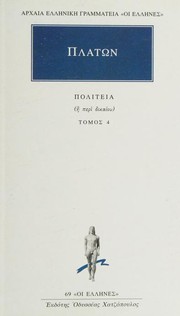
Κρίτων / Φαίδων / Ἀπολογία Σωκράτους
Plato
Summary (Spoiler-Free)
In this collection of dialogues, Plato presents profound philosophical discussions centered around the themes of ethics, justice, and the nature of the soul. Through the voices of Socrates and his companions, readers are invited to explore the moral implications of life and death, the pursuit of knowledge, and the essence of true virtue. Each dialogue serves as a thought-provoking examination of Socratic philosophy, offering insights that remain relevant across centuries.
Who Should Read This
This book is a must-read for anyone intrigued by philosophical discourse and the Socratic method. If you enjoy deep reflections on morality and the human condition, you'll find these dialogues both enlightening and challenging.
Frequently Asked Questions
Is this book part of a series, and what is the reading order?+
This work is a standalone collection of dialogues by Plato, meaning that it does not belong to a series and can be read independently. Each dialogue—'Crito', 'Phaedo', and 'Apology of Socrates'—is thematically connected through the character of Socrates, yet they explore different philosophical ideas. Readers can approach them in any order, although reading them together provides a richer understanding of Plato's thoughts on ethics and the soul.
What audience is this book appropriate for, and are there any content notes?+
This book is best suited for readers with an interest in philosophy, particularly those who appreciate classical texts. The dialogues engage with complex themes, including justice, ethics, and mortality, which may be challenging for younger readers or those unfamiliar with philosophical discourse. While the content is primarily intellectual, it does touch on themes of death and moral dilemmas, so readers should be prepared for discussions that provoke deep thought and reflection.
Are there adaptations or formats available for this book, such as audiobooks or films?+
While there may not be direct film adaptations of these specific dialogues, the ideas presented in them have significantly influenced countless works in literature, film, and other media. Audiobook versions are available, allowing listeners to engage with the text in an accessible format. These adaptations can enhance the experience of Plato's dialogues, providing various interpretations and insights into the philosophical discussions.
What makes this book distinct within the philosophy genre?+
This collection stands out in the philosophy genre due to its foundational role in Western philosophical thought and its unique format, which employs dialogue to explore complex ideas. Plato's use of Socratic questioning encourages readers to engage critically with the material, fostering a deeper understanding of philosophical concepts. The timeless nature of the themes discussed, such as the nature of justice and the immortality of the soul, continues to resonate with contemporary audiences, making this work a vital part of philosophical literature.
What kind of reader tends to enjoy this book the most?+
Readers who are drawn to philosophical inquiry and enjoy exploring moral questions will find great value in this collection. Those who appreciate classic literature and the Socratic method of dialogue will particularly resonate with the text. Additionally, students of philosophy, ethics, or ancient history often find these works essential for understanding the roots of Western thought and the complexities of human nature.
Similar Books You'll Love

0.0(0 ratings)
Rate this book:
Book at a Glance
~3 hr 24 min to read
- Pages
- 192
- First published
- 1834
- Original language
- EN