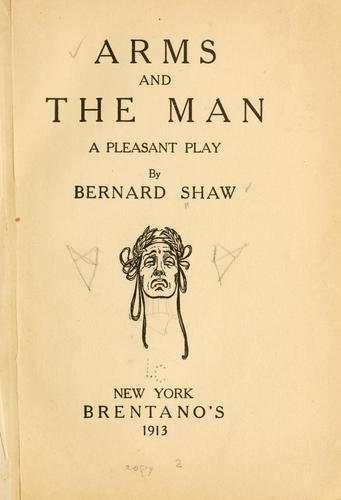
Arms and the Man
George Bernard Shaw
Summary (Spoiler-Free)
In 'Arms and the Man,' George Bernard Shaw presents a sharp and comedic critique of romanticized notions of war and heroism. Set against the backdrop of the Balkan Wars, the play follows a soldier who seeks refuge in the home of a young woman, challenging her preconceived notions of bravery and honor. Through witty dialogue and engaging characters, Shaw explores the absurdities of conflict and the differences between reality and the romantic ideals that often surround it.
Who Should Read This
If you appreciate clever wit and social commentary wrapped in humor, 'Arms and the Man' may be right up your alley. Fans of character-driven narratives with a satirical edge will find Shaw's take on war both entertaining and thought-provoking.
Frequently Asked Questions
Is 'Arms and the Man' part of a series or a standalone work?+
'Arms and the Man' is a standalone play written by George Bernard Shaw, first published in 1898. It does not belong to any series, allowing readers to engage with the themes and characters independently without needing prior knowledge of other works.
What audience is 'Arms and the Man' appropriate for?+
This play is suitable for a wide range of audiences, particularly those aged 14 and older, due to its exploration of mature themes like war, gender roles, and social class. While it contains humor and engaging dialogue, readers should be prepared for the underlying critique of societal norms, which may resonate more with those interested in literature that challenges traditional perspectives.
Are there any adaptations of 'Arms and the Man' available?+
'Arms and the Man' has been adapted into various formats, including film and stage productions. Many theater companies frequently stage this classic due to its enduring relevance and comedic elements. Additionally, audio recordings and adaptations may be available, allowing audiences to enjoy the play in different formats, ensuring its themes reach a broader audience.
What distinguishes 'Arms and the Man' within the drama genre?+
Shaw's 'Arms and the Man' stands out in the drama genre for its incisive social commentary and its subversion of traditional narrative tropes surrounding war and heroism. Rather than glorifying battle, Shaw employs humor and irony to critique the romantic ideals that often accompany discussions of warfare. This unique approach, combined with sharp dialogue and memorable characters, makes it a notable work that continues to engage and provoke thought.
What type of reader would enjoy 'Arms and the Man'?+
Readers who enjoy plays that blend humor with serious themes will likely appreciate 'Arms and the Man.' Those drawn to witty dialogue, satirical takes on societal norms, and character-driven narratives will find Shaw's work particularly satisfying. Additionally, individuals interested in historical contexts and the critique of romantic notions in literature will find this play both enlightening and entertaining.
Similar Books You'll Love
0.0(0 ratings)
Rate this book:
Book at a Glance
~— to read
- Pages
- —
- First published
- 1898
- Original language
- —