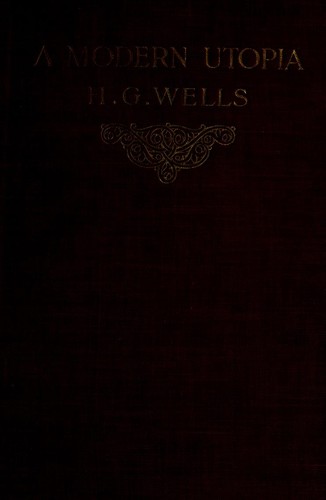
A Modern Utopia
H. G. Wells
Summary (Spoiler-Free)
In 'A Modern Utopia,' H. G. Wells presents a thought-provoking exploration of an ideal society where progress and cooperation reign supreme. The narrative unfolds as the protagonist embarks on a journey to a parallel world that embodies utopian principles, examining the social, political, and economic structures that foster harmony among its inhabitants. Through this imaginative lens, Wells challenges readers to reflect on the nature of civilization itself and the potential for human advancement.
Who Should Read This
If you're intrigued by philosophical explorations of society and enjoy pondering the possibilities of an ideal world, this book might resonate with you. It's perfect for readers who appreciate speculative fiction that delves into the complexities of human relationships and governance.
Frequently Asked Questions
Is 'A Modern Utopia' part of a series, and how does it fit into H. G. Wells' body of work?+
'A Modern Utopia' is a standalone work by H. G. Wells, published in 1900. While it does not belong to a series, it reflects Wells' broader interests in sociopolitical themes and speculative thought, which are prevalent throughout his literary career. His other works often explore similar concepts of utopia and dystopia, making this book an essential part of understanding his contributions to the genre of speculative fiction.
What age group is this book suitable for, and does it contain any sensitive content?+
'A Modern Utopia' is generally suitable for older teens and adults due to its thematic complexity and philosophical discourse. While the book does not contain explicit content, it tackles profound ideas regarding society and human nature, which may require mature comprehension. Readers should be prepared for discussions about social justice, governance, and ethics, which can provoke critical thought but may not align with everyone's values or beliefs.
Are there any adaptations of 'A Modern Utopia' in other formats, like film or audiobook?+
As of now, 'A Modern Utopia' has not been adapted into a major film or television series. However, it is available in audiobook format, allowing listeners to engage with Wells' ideas audibly. The text has also been discussed in various academic circles and podcasts, highlighting its relevance in contemporary discourse about utopias and societal structures.
What distinguishes 'A Modern Utopia' within the philosophy genre?+
'A Modern Utopia' stands out in the philosophy genre for its unique blend of science fiction and political theory. Wells skillfully employs imaginative storytelling to explore philosophical questions about human nature, progress, and the potential for societal improvement. Unlike many philosophical works that focus solely on abstract concepts, Wells creates a tangible world that embodies his ideals, inviting readers to visualize and contemplate the implications of his utopian vision.
What type of reader is likely to enjoy 'A Modern Utopia'?+
Readers who have an interest in philosophical inquiries, social commentary, and speculative fiction will likely find 'A Modern Utopia' engaging. Those who enjoy pondering the implications of societal structures and envisioning alternative worlds will appreciate Wells' thought-provoking narrative. Additionally, individuals who relish classic literature and are curious about early 20th-century perspectives on progress and human cooperation will find this book particularly rewarding.
Similar Books You'll Love

0.0(0 ratings)
Rate this book:
Book at a Glance
~6 hr 8 min to read
- Pages
- 346
- First published
- 1900
- Original language
- EN