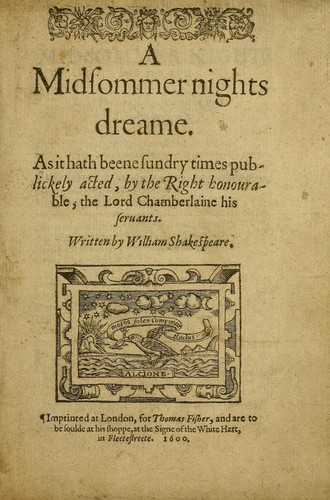
A Midsummer Night's Dream
William Shakespeare
Summary (Spoiler-Free)
A Midsummer Night's Dream is a whimsical exploration of love, identity, and the complexities of human relationships set against a backdrop of enchanted woods. The narrative weaves together various storylines, including the trials of four young lovers and the mischief of fairies, creating a tapestry of romance and comedy. As magic intervenes, misunderstandings abound, leading to a night of merriment and confusion that ultimately reveals the true nature of desire and affection.
Who Should Read This
If you have a penchant for classic literature infused with humor and magical elements, this play will delight you. Its intricate plot and vibrant characters offer a timeless exploration of love and imagination that resonates with both young and adult audiences.
Frequently Asked Questions
Is A Midsummer Night's Dream part of a series, or can it be read as a standalone?+
A Midsummer Night's Dream is a standalone play by William Shakespeare and does not belong to any series. This allows readers to dive into its enchanting world without needing prior knowledge from other works. As a standalone piece, it encapsulates its own themes and characters, making it accessible for first-time readers of Shakespeare. Its self-contained narrative provides a rich experience in exploring the complexities of love and magic without the need to follow a larger storyline.
What age group is this play suitable for, and are there any content notes to consider?+
A Midsummer Night's Dream is generally suitable for audiences aged 10 and up, thanks to its lighthearted themes and comedic elements. However, readers should be aware that the play includes some mature themes related to love and relationships, including misunderstandings and romantic entanglements. While the overall tone is whimsical and humorous, there are instances of playful innuendo and references that may require some context for younger readers. Teachers and parents often find it an excellent introduction to Shakespeare's work for middle school and high school students.
Are there any adaptations or formats available for A Midsummer Night's Dream?+
Yes, A Midsummer Night's Dream has been adapted into various formats, including film, stage performances, and audiobooks. Numerous film adaptations bring the play's enchanting world to life, each offering a unique interpretation of the characters and settings. Audiobook versions are also available, allowing listeners to experience Shakespeare's language and humor in an engaging way. Additionally, many theater companies produce live performances, often incorporating modern elements to make the story resonate with contemporary audiences. These adaptations help to keep the play relevant and accessible, whether through visual storytelling or auditory experiences.
What makes A Midsummer Night's Dream distinct within the fantasy genre?+
A Midsummer Night's Dream stands out in the fantasy genre due to its unique blend of comedic elements, romantic entanglements, and themes of transformation. Unlike many fantasy works that focus on epic quests or dark struggles, this play emphasizes the lighthearted and often absurd aspects of love and desire. The interplay between the natural and supernatural worlds, particularly through the mischievous fairy Puck and the enchanting forest, creates a whimsical atmosphere where the ordinary becomes extraordinary. Its exploration of the thin line between reality and dreams offers a fresh perspective on fantasy, making it a beloved classic that continues to resonate with audiences.
What type of reader is likely to enjoy this play?+
Readers who appreciate wit, humor, and imaginative storytelling are likely to enjoy A Midsummer Night's Dream. Those who have an interest in classic literature or theater will find the play's clever dialogue and intricate character relationships captivating. Additionally, if you enjoy stories that explore the complexities of love, friendship, and identity through a fantastical lens, this play will resonate with you. Its playful tone and relatable themes make it accessible to a wide audience, including both seasoned Shakespeare enthusiasts and newcomers curious about his work.
Similar Books You'll Love

0.0(0 ratings)
Rate this book:
Book at a Glance
~— to read
- Pages
- —
- First published
- 1600
- Original language
- —